
Why Prioritizing Personal Wellbeing Is Essential
Prioritizing personal wellbeing is not a luxury—it’s a necessity. In today’s world, putting your wellbeing first creates the foundation for everything else in your life to thrive.
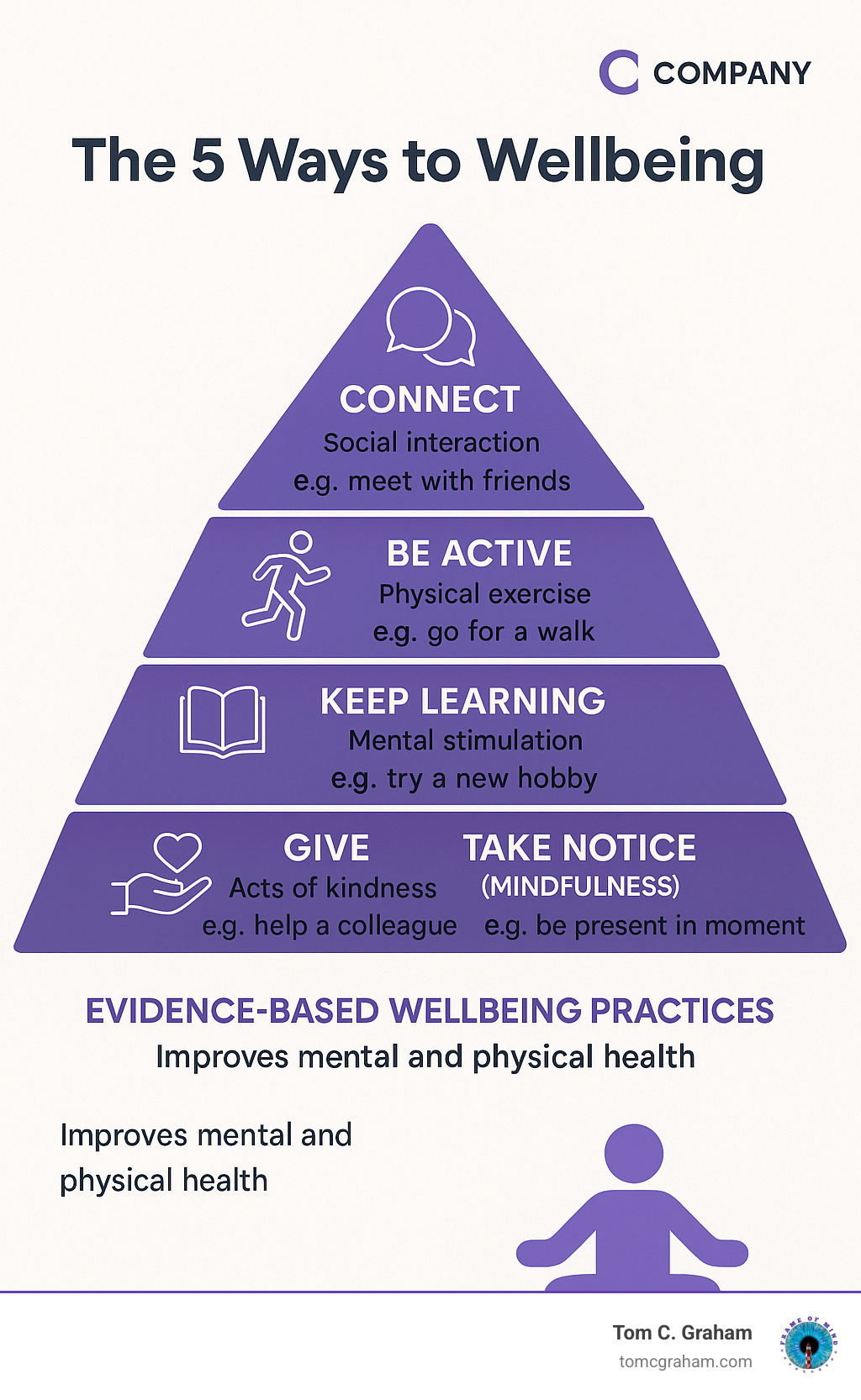
If you’re looking for the quickest way to start prioritizing your wellbeing, here are the 5 evidence-based steps you can take today:
- Connect with others – Schedule time with family or friends this week
- Be physically active – Add 10 minutes of movement to your day
- Learn something new – Dedicate time to a skill or hobby that interests you
- Give to others – Perform one small act of kindness
- Practice mindfulness – Take 3 minutes to focus on your breathing
These five steps, backed by research, can immediately improve your mental health and overall satisfaction.
Think of wellbeing like the oxygen mask on an airplane—you must secure your own before helping others. As one research participant noted, “What if the secret to open uping your best creative self was as simple as putting yourself first?”
The statistics are sobering: approximately 63% of US physicians report experiencing burnout at least once a week. This isn’t just a medical professional issue—it affects people across all careers and life stages.
Self-care isn’t selfish. It’s an ongoing practice that allows you to show up more effectively for yourself, your work, and the people who matter to you. When you neglect personal wellbeing, the costs can include reduced productivity, strained relationships, and declining physical and mental health.
Wellbeing encompasses multiple dimensions: physical, emotional, social, financial, career, community, and purpose. A balanced approach addresses all these areas, not just the occasional bubble bath or gym session.
This guide will help you create a sustainable approach to wellbeing that fits your unique needs and lifestyle. Because when you truly prioritize personal wellbeing, everything else in your life benefits.
The Search Intent: Learn How to Prioritize Wellbeing
If you’ve found your way to this guide, you’re likely seeking practical ways to make your wellbeing a priority. Perhaps you’re feeling the effects of burnout, or maybe you’re proactively looking to create a more balanced life. Either way, adopting a learner’s mindset is the first step toward meaningful change.
Prioritizing personal wellbeing isn’t about perfection—it’s about progress. The value in reading this guide isn’t just in absorbing information, but in implementing small, consistent actions that compound over time.
What You’ll Gain From This Guide
By the end of this article, you’ll have:
– Clarity on why wellbeing deserves to be your top priority
– A practical framework for assessing your current wellbeing across seven key dimensions
– Actionable steps to create a personalized self-care plan
– Strategies to overcome common barriers and sustain healthy habits
– Tools to measure your progress and adjust as needed
Why Prioritizing Personal Wellbeing Matters
The price tag on neglected wellbeing isn’t small. Organizations lose a staggering $125 to $190 billion annually in healthcare costs due to workplace stress. But when we make prioritizing personal wellbeing a non-negotiable part of our lives, we’re making an investment that pays dividends in every area of our existence.
The science backs this up beautifully. Regular self-care isn’t just a nice-to-have—it’s linked to measurably lower stress levels, greater happiness, improved physical health markers, sharper thinking, and a stronger ability to bounce back from life’s inevitable challenges.
Research on mindfulness and resilience shows these practices significantly reduce burnout and secondary traumatic stress, especially among those in helping professions. The evidence is compelling: caring for yourself isn’t selfish—it’s the foundation for sustainable performance in everything you do.
The Ripple Effect on Physical & Mental Health
When wellbeing slides to the bottom of our priority list, our bodies sound the alarm. Stress hormones like cortisol flood our systems, and over time, this biochemical response can wreak havoc. Your immune system weakens, making you more vulnerable to illness. Sleep patterns solve, leaving your brain foggy and decision-making impaired. Weight gain, particularly around the midsection, becomes more likely. And perhaps most concerning, your risk factors for serious conditions like heart disease and diabetes climb steadily upward.
On the flip side, prioritizing personal wellbeing triggers your body’s relaxation response, releasing those wonderful “happiness chemicals”—serotonin, dopamine, and oxytocin. These neurotransmitters don’t just create good feelings; they actively support optimal brain function and physical health, creating an upward spiral of wellbeing.
Organizational & Community Impact of Prioritizing Personal Wellbeing
The benefits of wellbeing extend far beyond your personal experience. When people make their health a priority, organizations see the impact in concrete ways: engagement and productivity rise, fewer sick days are taken, staff turnover drops, and team collaboration strengthens.
A workplace culture that genuinely values wellbeing creates a powerful ripple effect. When leaders model healthy self-care behaviors—taking lunch breaks, setting boundaries around email hours, using vacation time—they silently give permission for everyone else to do the same. The result is an environment where people don’t just survive but truly thrive.
The Cost of Neglect—From Burnout to Breakdown

The statistic is sobering: about 63% of US physicians report experiencing burnout at least once weekly. This isn’t just a doctor problem—it’s the reality for many of us juggling the demands of modern life. Burnout doesn’t appear overnight; it’s the slow accumulation of stress without adequate recovery time.
The journey from occasional stress to full burnout typically follows a predictable path. It often begins with enthusiasm and high energy, then shifts to noticeable stress and fatigue. Left unchecked, this develops into chronic stress with early burnout symptoms, eventually leading to complete burnout marked by physical and emotional exhaustion. The final stage—breakdown of physical and mental health—is where the most serious consequences emerge.
| Proactive Wellbeing Approach | Reactive Wellbeing Approach |
|---|---|
| Regular self-care practices | Crisis management |
| Preventative health measures | Treating symptoms after they appear |
| Consistent boundaries | Occasional “recovery” periods |
| Integrated daily habits | Sporadic wellness activities |
| Sustainable energy management | Boom-and-bust energy cycles |
| Long-term health benefits | Potential chronic health issues |
The contrast between proactive and reactive approaches to wellbeing couldn’t be clearer. One builds resilience over time; the other leaves you constantly playing catch-up with your health. Prioritizing personal wellbeing isn’t about perfection—it’s about creating sustainable practices that support you through life’s inevitable ups and downs.
The Seven Dimensions of Personal Wellbeing
When we talk about prioritizing personal wellbeing, most people immediately think about physical health. But true wellbeing is so much richer and more complex—it’s like a beautiful mix woven from seven interconnected threads:
- Physical: How your body feels, functions, and energizes you day to day
- Emotional: Your relationship with your feelings and emotional landscape
- Social: The connections you nurture with friends, family, and colleagues
- Financial: Your sense of security and relationship with money matters
- Career: The fulfillment and growth you experience in your work life
- Community: Your sense of belonging and contribution to the world around you
- Purpose: The meaning that guides your choices and lights your path forward
Think of these dimensions as a symphony—when one instrument is out of tune, the entire performance suffers. That’s why a holistic approach to wellbeing matters so deeply.
Physical Vitality: Move, Fuel, Rest
Your physical wellbeing creates the foundation everything else builds upon. Without energy and health, other dimensions naturally struggle. The good news? Physical wellbeing rests on three simple pillars anyone can strengthen:
Movement doesn’t require becoming a marathon runner or gym enthusiast. Your body craves motion in whatever form brings you joy. When you move regularly, your brain releases mood-boosting endorphins, your thinking becomes sharper, and you’ll likely sleep better at night. Even a 10-minute walk can reset your entire nervous system.
Nutrition isn’t about perfect eating—it’s about nourishing your body with foods that provide sustained energy. Focus on colorful whole foods, stay hydrated, and practice eating mindfully. Notice how different foods make you feel. Your body is remarkably good at telling you what it needs when you take time to listen.
Rest might be the most undervalued pillar of physical health in our busy world. Those 7-9 hours of sleep aren’t optional—they’re when your body repairs itself, processes emotions, and clears mental clutter. Creating a consistent sleep routine is one of the kindest gifts you can give yourself.
Emotional Fitness: Feel & Process
Just like physical muscles, our emotional resilience grows stronger with intentional practice. Prioritizing personal wellbeing means making space for your feelings rather than pushing them aside.
Self-compassion creates the safe container for emotional wellbeing. When you talk to yourself with the same kindness you’d offer a dear friend, you build resilience against life’s inevitable challenges. This isn’t about letting yourself off the hook—it’s about creating the emotional safety needed for growth.
Learning to name and recognize your emotions gives you the power to work with them rather than being controlled by them. A simple daily check-in asking “What am I feeling right now?” can transform your relationship with emotions.
Finding healthy outlets for expression—whether through conversation, journaling, art, or movement—prevents emotional buildup that can lead to overwhelm. And remember, seeking professional support through therapy isn’t a sign of weakness but a powerful act of self-care that can provide perspective and strategies for navigating complex feelings.
Social & Community Connection: Belong and Give
We humans are wired for connection. The quality of our relationships directly impacts our health and happiness in ways science continues to confirm. The research on the “Five Ways to Wellbeing” highlights how essential connection is to our fundamental wellbeing.
Meaningful relationships deserve your time and attention. Rather than spreading yourself thin across many surface-level connections, nurture a few deep relationships where you can truly be yourself. These connections become your emotional safety net when life gets challenging.
Giving to others creates a beautiful paradox—when you contribute to someone else’s wellbeing, your own flourishes too. Simple acts of kindness, from helping a neighbor to volunteering for a cause you believe in, trigger neurochemical responses that boost your mood and create meaning.
Finding your community—people who share your values, interests, or goals—provides a sense of belonging that humans fundamentally crave. This might be through faith communities, hobby groups, or neighborhood initiatives. The key is finding places where you can be authentically yourself while connecting with others.
Financial & Career Security: Reduce Money Stress
Financial wellbeing isn’t about wealth accumulation—it’s about having enough resources to meet your needs while aligning spending with what truly matters to you. Similarly, career wellbeing comes from work that both supports you financially and feeds your spirit.
Building financial literacy gives you confidence to make choices that support your long-term security. Creating a simple budget that reflects your true priorities is a powerful first step toward financial peace of mind.
Your career journey benefits from continuous skill development that increases both your market value and personal satisfaction. Look for work that leverages your natural strengths while providing opportunities to grow and contribute meaningfully.
Rather than chasing perfect “work-life balance” (which can feel like an impossible standard), focus on thoughtful integration. Set boundaries that protect your wellbeing while remaining flexible enough to accommodate life’s natural ebb and flow.
Purpose & Spiritual Growth: Align With Values
Purpose provides the “why” behind all your other wellbeing efforts. Without it, even the healthiest lifestyle can feel empty or unsustainable.
Clarifying your core values creates an internal compass that guides decisions both big and small. When your daily actions align with what matters most to you, life feels more coherent and meaningful, even during challenging times.
Mindfulness practice—simply paying attention to the present moment without judgment—helps you stay connected to your authentic self. This awareness creates space between stimulus and response, allowing you to make choices aligned with your deeper values rather than reacting on autopilot.
Cultivating gratitude shifts your attention from what’s missing to what’s present and abundant in your life. This isn’t about forced positivity—it’s about training your mind to notice the good that already exists alongside life’s challenges.
By nurturing all seven dimensions of wellbeing, you create a life that feels not just balanced, but rich with meaning and resilience. Prioritizing personal wellbeing isn’t selfish—it’s the foundation that allows you to show up fully for everything and everyone that matters to you.
Creating Your Personalized Self-Care Plan

Now that you understand the dimensions of wellbeing, let’s roll up our sleeves and create a plan that works for your unique life. Prioritizing personal wellbeing isn’t about following someone else’s perfect routine—it’s about crafting practices that fit your needs, preferences, and circumstances.
The 7 P’s framework can help you achieve balance and fulfillment by integrating strategies that support both your professional and personal growth. Think of this as creating a roadmap for your wellbeing journey—one that you’ll refine as you travel.
Step 1: Audit Your Current Life Against the Seven Dimensions
Before jumping into changes, take an honest look at where you stand right now. This isn’t about judgment—it’s about awareness.
Grab a notebook and rate your satisfaction in each dimension on a scale of 1-10. Then dig deeper with some reflection.
For your physical wellbeing, notice how your energy flows throughout the day. Are you waking up refreshed or dragging yourself out of bed? Your body sends signals when something’s off balance—like headaches when you’re dehydrated or brain fog when you’re undernourished.
When examining your emotional wellbeing, consider how you handle life’s ups and downs. Do you have a trusted friend you can call when feelings get intense? Or do emotions tend to build up until they overflow at inconvenient moments?
Your social connections might need attention if you feel lonely even in a crowd. Quality trumps quantity here—one friend who truly gets you is worth more than dozens of surface-level acquaintances.
Money matters affect our peace of mind profoundly. If you’re constantly worrying about bills or feeling guilty about purchases, your financial wellbeing could use some TLC.
Many of us spend most of our waking hours working, so career satisfaction significantly impacts overall happiness. Does Monday morning fill you with purpose or dread? The answer reveals a lot.
Your sense of community extends beyond your immediate circle to include your neighborhood, city, or any group where you feel you belong. Contributing to something larger than yourself nourishes a fundamental human need.
Finally, reflect on your purpose—the “why” behind everything you do. When daily actions align with your deepest values, life feels meaningful even during challenging times.
After completing this personal inventory, use a simple Priority Matrix to focus your efforts. Which areas feel both important and urgent? These deserve immediate attention. Which dimensions feel important but not yet critical? These represent your best opportunities for preventive care.
Step 2: Set SMART Micro-Goals for Prioritizing Personal Wellbeing
Big changes happen through tiny changes consistently applied. Rather than overhauling your entire life at once (a recipe for burnout and abandonment), focus on micro-steps that feel almost too easy to fail.
Let’s say your physical wellbeing needs attention. Instead of vowing to exercise an hour daily (setting yourself up for disappointment), commit to a 5-minute morning stretch. Specific, measurable goals create clarity—”I’ll do 10 push-ups before my morning shower” leaves no room for ambiguity.
Make sure your goals are achievable within your current life circumstances. If you’re caring for young children or aging parents, an hour-long meditation might be unrealistic, but three deep breaths before responding to stressful situations could work beautifully.
Your wellbeing goals should feel relevant to what matters most to you. If connection is your priority, scheduling weekly video calls with faraway friends might bring more joy than a perfect diet plan.
Finally, give yourself a timeframe to establish new habits. Research suggests it takes anywhere from 18 to 254 days to form a habit, with 66 days being the average. Be patient with yourself—sustainable change takes time.
Understanding your habit loops can accelerate progress. Notice what triggers behaviors you want to change, design new routines that serve you better, and identify meaningful rewards that reinforce positive changes.
Step 3: Schedule Non-Negotiable “Me-tings”
One of the most powerful ways of prioritizing personal wellbeing is treating it with the same respect you give work commitments. Enter the “Me-ting”—an appointment with yourself that deserves protection.
Open your calendar right now and block time for wellbeing activities. This isn’t leftover time after everything else; it’s prime real estate in your schedule. Whether it’s a 20-minute walk during lunch, a Sunday evening bath ritual, or Friday afternoon creative time, these appointments deserve to be kept.
Setting boundaries requires practice and courage. It might feel uncomfortable at first to say, “I’m not available then” without explaining that you’re attending to your wellbeing. By maintaining your energy and balance, you show up more fully for others when you are available.
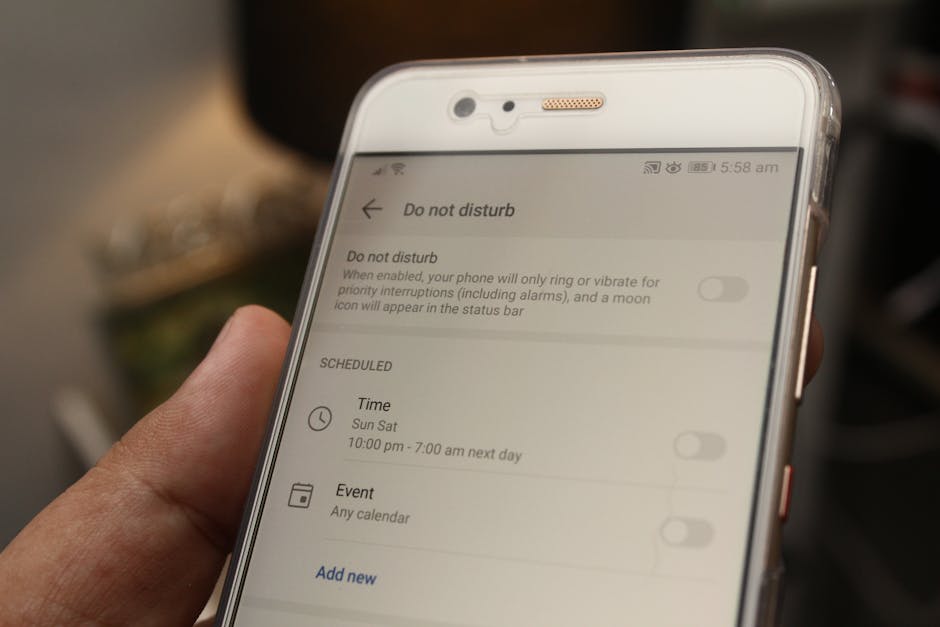
Digital boundaries deserve special attention in our always-connected world. Consider designating tech-free zones (like your bedroom) or times (during meals or after 8 pm). Your nervous system will thank you for these regular breaks from stimulation.
Step 4: Track, Review, Iterate
Sustainable wellbeing requires ongoing attention and adjustment. Think of yourself as a scientist conducting friendly experiments—some will succeed brilliantly, others will flop, and that’s perfectly normal.
A simple journal can become your most valuable tool for self-awareness. Even jotting down three things that went well each day and one thing you’d like to improve tomorrow creates powerful momentum. Notice patterns without judgment—they contain valuable information about what supports your unique wellbeing.
If you enjoy technology, numerous apps can help track habits, sleep quality, mood patterns, and more. Choose tools that feel supportive rather than another item on your to-do list.
Define what success looks like for you in each dimension. Maybe success is feeling energized enough to play with your kids after work, having meaningful conversations with your partner, or waking up without anxiety about the day ahead.
Schedule a monthly wellbeing review—perhaps on the first Sunday of each month—to assess what’s working and what needs tweaking. Adjust your approach based on real-life results, not idealized notions of what “should” work.
Prioritizing personal wellbeing isn’t a destination but a journey of small, consistent choices. Each time you honor your needs, you build trust with yourself and create a foundation for everything else in your life to flourish. For more information about integrating wellbeing into your life, explore the 7 Ps coaching framework that has helped many find their unique path to balance.
Overcoming Barriers & Sustaining the Habit of Prioritizing Personal Wellbeing
Let’s face it—creating lasting wellbeing habits isn’t always smooth sailing. Even with the best intentions, life has a way of throwing curveballs that can knock us off track. Understanding these common roadblocks (and how to steer around them) can make all the difference in your wellbeing journey.
Busting the “Self-Care Is Selfish” Myth
I hear it all the time from clients: “I feel guilty taking time for myself when others need me.” This belief that self-care equals selfishness might be the single biggest obstacle to prioritizing personal wellbeing.
Think about the last time you flew on an airplane. Safety instruction about oxygen masks? “Secure your own mask before assisting others.” There’s profound wisdom in that simple directive. It’s not selfish—it’s necessary. You simply can’t pour from an empty cup.
This is what I call the selflessness paradox. By investing in your wellbeing, you’re actually expanding your capacity to show up for others. You’re not taking from anyone—you’re ensuring you have more to give in a sustainable way.
When we reframe self-care as responsible stewardship rather than indulgence, everything shifts. It’s not about escaping responsibilities or pampering yourself (though a little pampering never hurt!). It’s about nourishing yourself at the deepest level so you can bring your best self to everything you do.
Time & Energy Hacks for Busy Schedules
“I don’t have time” might be the most common excuse I hear for neglecting wellbeing. And I get it—life is full! But here’s the beautiful irony: taking time for wellbeing actually creates more time by boosting your energy, focus, and efficiency.
You don’t need hour-long meditation sessions or elaborate self-care rituals to make a difference. Even tiny moments of wellbeing can create powerful shifts. Try these time-friendly approaches:
For the busiest days, accept one-minute practices like taking three deep breaths before entering a meeting, or pausing for a moment of gratitude while waiting for your coffee to brew. These micro-moments add up.
When you can carve out 5-10 minutes, try a brief guided meditation, jotting down thoughts in a journal, or stepping outside for a quick nature break. The fresh air and change of scenery can reset your entire outlook.
For those blessed 20-30 minute windows, consider a yoga sequence, reading something inspiring, or preparing a nourishing meal. These slightly longer practices can create a genuine sense of restoration.
One of my favorite strategies is habit stacking—attaching new wellbeing habits to existing routines. Practice gratitude while brushing your teeth. Do a quick workout while your morning coffee brews. Meditate right after putting on your pajamas. By piggybacking on established habits, you’re much more likely to stick with the new ones.
When to Seek Professional Help & How It Complements Self-Care
Self-care is powerful, but it has its limits. Recognizing when to reach out for professional support isn’t a failure—it’s actually one of the most profound acts of self-care you can practice.
Pay attention to warning signs that might indicate you need additional support. Persistent feelings of sadness or anxiety, significant changes in sleep or appetite, difficulty functioning in daily life, or thoughts of harming yourself are all clear signals that it’s time to connect with a professional.
The Professional Quality of Life (ProQOL) survey, available in 28 languages, can be a helpful tool for assessing your current state. It measures compassion satisfaction, burnout, and secondary traumatic stress—giving you concrete data about your wellbeing. Regular check-ins using tools like this can help you catch potential issues before they become overwhelming.
Professional support and self-care aren’t competitors—they’re teammates. Therapy or coaching can help you develop personalized wellbeing strategies, process difficult emotions, gain fresh perspective on challenges, and create accountability for your goals.
At Tom C. Graham, we firmly believe that seeking support is a sign of strength, not weakness. Our coaching approach through the 7 Ps framework helps clients forge their own path to wellbeing through values-driven strategies that honor both performance and peace.
Prioritizing personal wellbeing isn’t a straight line—it’s more like a winding path with occasional detours. The key isn’t perfection but persistence. With each step, however small, you’re building a foundation for a more balanced, fulfilling life.
Frequently Asked Questions about Prioritizing Personal Wellbeing
How do I know I’m burning out?
Burnout sneaks up on us quietly, like a tide slowly rising until we’re suddenly neck-deep in water. It’s rarely an overnight change, but rather a gradual process with whispers of warning along the way.
Your body often sends the first signals. You might notice a bone-deep fatigue that persists even after a full night’s sleep, or headaches that have become your constant companion. Perhaps your appetite has changed dramatically, or you find yourself catching every cold that passes through your office. These physical manifestations are your body’s way of waving a red flag.
Emotionally, the landscape shifts too. That spark of enthusiasm you once felt may have dimmed to a flicker. You might catch yourself wondering, “What’s the point?” more frequently, or feeling a heaviness that wasn’t there before. Many people describe a growing sense of cynicism or detachment – as if watching their life through a pane of glass rather than fully participating in it.
Your behaviors often change as well. The colleague who notices you’ve stopped joining the team for lunch, the friend who mentions you’ve been canceling plans more often, or the partner who points out you’re reaching for that extra glass of wine most evenings – these observations can be valuable mirrors reflecting changes you might not see yourself.
If several of these signs feel familiar, please take them seriously. This isn’t about pushing through or toughing it out. It might mean temporarily scaling back commitments, setting firmer boundaries, or reaching out for professional support. Acknowledging struggle isn’t weakness – it’s the first step toward reclaiming your wellbeing.
What if I can’t stick to a routine?
First, take a deep breath and know you’re in good company. Even the most disciplined among us struggle with consistency sometimes. The path to prioritizing personal wellbeing isn’t a straight line but rather a winding road with occasional detours.
Think of your wellbeing practices as a flexible framework rather than rigid rules. Life happens – children get sick, work deadlines loom, unexpected challenges arise. Having a Plan B (or even C) for busy days allows you to adapt without abandoning self-care altogether. Perhaps your hour-long morning routine becomes a 10-minute version when time is tight, or your gym workout transforms into a quick home exercise session.
The restart mindset is perhaps your most powerful tool. When you miss a day (or week) of your intended routine, resist the urge to throw in the towel completely. Instead, approach each day as a fresh opportunity to begin again. This isn’t about perfection – it’s about persistence and self-compassion.
Try to notice patterns in when your routines typically falter. Is it during high-stress work periods? On weekends when structure loosens? When traveling? Understanding your particular stumbling blocks helps you develop targeted strategies to steer them.
One of the most effective approaches is shifting from action-focused thinking to identity-based habits. Rather than “I should meditate daily,” try “I’m becoming someone who values mental clarity.” This subtle shift helps wellbeing practices feel less like items on your to-do list and more like expressions of who you are becoming.
And please, celebrate your small wins along the way. The five-minute meditation, the healthy lunch choice, the early bedtime – these moments matter and deserve acknowledgment. As one client told me recently, “It’s not about being perfect; it’s about being a little better today than I was yesterday.”
How can leaders foster employee wellbeing?
Leaders cast long shadows in organizations. When a manager sends emails at midnight or boasts about working through weekends, it sets a powerful unspoken expectation. Conversely, when leaders visibly protect their own wellbeing – taking actual lunch breaks, using vacation time, setting clear boundaries – it gives others permission to do the same.
Creating psychological safety is equally crucial. Team members need to know they can speak honestly about challenges without fear of being labeled “not committed” or passed over for opportunities. This safety creates the foundation for authentic conversations about workload, stress, and support needs.
Effective leaders back up their talk with concrete policies that make prioritizing personal wellbeing possible. This might include flexible work arrangements, mental health days without elaborate justifications, or benefits packages that address multiple dimensions of wellbeing – from physical health to financial planning.
Resources matter too. The most well-intentioned employee will struggle to prioritize wellbeing without proper tools and support. Consider what your organization offers: meditation apps? Fitness subsidies? Financial planning assistance? Employee assistance programs? The specifics matter less than ensuring these resources are truly accessible to everyone, not just in theory but in practice.
Managers need proper training to recognize wellbeing concerns and have supportive conversations. Many well-meaning leaders avoid these discussions simply because they don’t know how to initiate them effectively. Equipping them with concrete skills helps transform good intentions into meaningful support.
Finally, what gets measured gets managed. Regular assessment of organizational wellbeing through surveys and feedback mechanisms provides crucial data for identifying trouble spots and measuring improvement. The most effective wellbeing initiatives combine individual support with systemic changes that address the root causes of stress and burnout.
As one client leader shared after implementing wellbeing initiatives: “The productivity gains were impressive, but what really struck me was seeing the light come back into people’s eyes. That’s when I knew we were on the right track.”
Conclusion

When we talk about prioritizing personal wellbeing, we’re not discussing just another task to squeeze into your already overflowing schedule. We’re talking about the foundation that supports everything else in your life—the essential cornerstone that, when properly cared for, allows all other aspects of your life to flourish.
Think of wellbeing as the soil in which your life grows. When that soil is rich and nourished, everything planted there has the chance to thrive. When it’s depleted, even the most promising seeds struggle to take root.
Your journey toward better wellbeing isn’t a straight line with a clear endpoint. It’s more like tending a garden—requiring regular attention, occasional pruning, and plenty of patience with the natural cycles of growth. Some days you’ll feel on top of the world, and others you might struggle to meet your most basic needs. That’s not failure—that’s being human.
What matters most isn’t perfection but persistence. Those small, consistent actions you take day after day—the five-minute meditation, the walk around the block, the phone call to a friend—compound over time, gradually changing how you feel, think, and move through the world.
At Tom C. Graham, our 7 P’s framework offers a roadmap for navigating this journey, helping you balance performance with peace in our demanding world. We believe that when you integrate strategies aligned with your deepest values, you create a life that feels not just successful but deeply satisfying and sustainable.
You don’t need to overhaul your entire life overnight. Start exactly where you are. Choose just one dimension of wellbeing that resonates most strongly right now. Implement a single microstep—something so small it almost seems too easy. Then build from there, one choice at a time.
Your wellbeing isn’t a luxury or an indulgence. It’s the most important investment you can make—not just for yourself, but for everyone whose lives you touch. When you fill your own cup first, you have so much more to offer others. Your energy, creativity, patience, and presence all flow from the foundation of how well you care for yourself.
So I’ll leave you with this question: What one small step will you take today to put your wellbeing first? Whatever you choose, know that it matters more than you might realize.